Culturally Appropriate Aged Care for Multicultural Families
By Care Steps Australia

Multicultural aged care services help older people from CALD backgrounds receive care that respects their language, food, and religious practices. In Sydney, families can access bilingual carers, interpreters, and culturally safe providers in suburbs like Punchbowl and Bankstown. This guide shows how to start care, what to ask, and local options.
Key Takeaways
- Multicultural aged care provides culturally safe, language-matched support for CALD seniors in Sydney.
- Start with a My Aged Care assessment to access government-funded services.
- Ask providers about bilingual carers, interpreters, cultural food and religious support.
- Services are available in Punchbowl, Bankstown, Campsie, Lakemba and surrounding suburbs.
- Family involvement and translated resources significantly improve care outcomes.
- Care Steps Australia offers clinical nursing and allied health coordination for CALD families.
- Funding options include Support at Home, CHSP and Home Care Packages.
- Complaints can be lodged with the Aged Care Quality and Safety Commission.
What is multicultural aged care?
Multicultural aged care refers to support services designed for older people from culturally and linguistically diverse backgrounds. These services ensure that care respects cultural practices, language preferences, dietary requirements and religious beliefs.
Common features include:
- Bilingual support workers and carers
- Access to professional interpreters
- Culturally appropriate meal options (halal, kosher, vegetarian)
- Religious and spiritual support
- Family involvement in care planning
For families in Sydney's south-west, multicultural aged care services are available through both government-funded programs and private providers. Understanding these options helps families make informed decisions about their loved ones' care.
If you're also supporting someone with disability needs, you might find our guide on culturally sensitive disability care Sydney helpful for navigating NDIS and aged care coordination.
What does CALD mean in aged care?
CALD stands for Culturally and Linguistically Diverse. In the aged care context, CALD refers to older people who come from non-English speaking backgrounds and may have different cultural practices around ageing, health and family care.
Common CALD communities in Sydney include:
- Arabic-speaking communities (Lebanese, Iraqi, Egyptian)
- Vietnamese communities
- Chinese communities (Mandarin, Cantonese)
- Greek communities
- Bengali-speaking communities (Bangladeshi, Indian)
Language barriers can lead to misunderstandings about medication, care preferences and health conditions. That's why CALD aged care providers prioritize bilingual staff and interpreter services to ensure clear communication.
How to start multicultural aged care in Sydney?
Starting multicultural aged care in Sydney involves several key steps:
- My Aged Care Assessment: Call 1800 200 422 or visit the My Aged Care website to request an assessment.
- Choose a Provider: Research providers that offer culturally appropriate services in your area.
- Develop a Care Plan: Work with the provider to create a plan that respects cultural and language needs.
- Review and Adjust: Regularly review the care plan to ensure it continues to meet changing needs.
The assessment determines eligibility for government-funded services like Support at Home, CHSP or Home Care Packages. Families can request interpreters during the assessment process to ensure clear communication.
For more information on accessing services, the multicultural aged care services page provides detailed guidance on eligibility and options.
What multicultural aged care services are available in Sydney?
Sydney offers a wide range of multicultural aged care services to meet diverse community needs:
- In-home care: Personal care, domestic assistance, social support
- Residential aged care: 24/7 nursing care in culturally specific facilities
- Respite care: Short-term care to give family carers a break
- Clinical nursing: Wound care, medication management, health monitoring
- Allied health coordination: Occupational therapy, physiotherapy, speech pathology
- Community programs: Social groups, cultural activities, language-specific support
- Transport services: Assistance with medical appointments and social outings
These multicultural aged care services are available across Sydney, with concentration in suburbs like Punchbowl, Bankstown, Campsie and Lakemba where CALD communities are well-established.
What services are available in Punchbowl and Bankstown?
Punchbowl and Bankstown have several providers offering culturally appropriate aged care services:
For families seeking multicultural aged care Punchbowl, Care Steps Australia provides clinical nursing and allied health coordination with culturally sensitive approaches. Their team works with CALD families across Sydney's south-west.
If you're exploring options in nearby areas, aged care Bankstown also has several residential and in-home care providers specializing in multicultural support.
How to choose a culturally appropriate provider?
Choosing the right provider requires asking the right questions and understanding what matters most to your family:
Key criteria:
- Do they have bilingual staff or access to interpreters?
- Can they accommodate cultural dietary requirements?
- Do they understand religious practices and celebrations?
- How do they involve families in care planning?
- Are staff trained in cultural competency?
- What languages do they currently support?
- Can they provide translated materials?
The Aged Care Quality and Safety Commission provides resources to help families evaluate providers and understand their rights.
What questions to ask about language and culture?
When meeting with potential providers, ask these specific questions:
- Do you have bilingual carers who speak [your language]?
- Can I request the same carer consistently for continuity?
- Do you provide professional interpreters for care planning meetings?
- How do you accommodate cultural food preferences and dietary restrictions?
- Are staff trained to understand cultural differences in health beliefs?
- Can family members participate in care planning even if they don't speak English?
- Do you celebrate cultural and religious festivals with residents?
- What happens if there's a cultural misunderstanding or complaint?
These questions help ensure the provider can deliver culturally appropriate aged care that respects your family's values and communication needs.
How does funding work for CALD families?
Understanding funding options is crucial for accessing affordable aged care services:
Support at Home (formerly Home Care Packages):
- Four levels of funding based on care needs
- Can be used for personal care, nursing, allied health, equipment
- Available to older people waiting at home for residential care
Commonwealth Home Support Programme (CHSP):
- Entry-level support for basic assistance
- Domestic help, personal care, social support, respite
- Lower intensity than Home Care Packages
Home Care Packages:
- Four levels (1-4) with increasing funding amounts
- Comprehensive support for complex needs
- Can include nursing, allied health, equipment, home modifications
Residential Aged Care:
- Government-subsidized accommodation and care
- Means-tested fees apply
- Cultural-specific facilities available in some areas
For CALD aged care funding, families can access translated information and interpreter support throughout the application process. The My Aged Care website provides resources in multiple languages.
What support is available for families?
Families caring for older CALD members can access various support services:
- Translated resources: Information sheets in Arabic, Vietnamese, Chinese, Greek and other languages
- Care navigators: Staff who help families understand and access services
- Family support groups: Peer support from other CALD families
- Cultural liaison officers: Bridge between families and service providers
- Complaint support: Assistance with lodging complaints if services are inadequate
- Respite care: Temporary care to give family carers a break
- Financial counselling: Help understanding fees and government subsidies
For families in Sydney's south-west, multicultural aged care Sydney services often have
Conclusion
Multicultural aged care helps CALD families receive culturally safe, language-matched support. Start with a My Aged Care assessment, choose a provider that offers interpreters and bilingual carers, and ask about cultural food and religious support. In Sydney, services exist in Punchbowl, Bankstown, Campsie and Lakemba. Care Steps Australia supports CALD families with clinical nursing and allied health coordination across Sydney's south-west.
dedicated staff to support CALD families through the entire care journey.
Contact Care Steps Australia for Culturally Appropriate Aged Care
If your family needs clinical nursing, allied health coordination or workforce solutions in Sydney's south-west, Care Steps Australia provides culturally sensitive care for CALD communities. Their team works with families across Punchbowl, Bankstown, Campsie, Lakemba and surrounding suburbs to deliver personalized aged care support.
Call or email today to discuss your care needs and book a consultation. They offer free initial assessments and can arrange interpreters for non-English speaking families.
Care Steps Australia
48 Lancaster Avenue, Punchbowl NSW 2196
Phone: (02) 8201 3100
Email: info@carestepsaustralia.com.au
Find us on google maps: https://share.google/3Em22TFRY9QJr3OkP
Frequently Asked Questions
Yes, several providers in Sydney's south-west support Bengali-speaking families. Care Steps Australia works with CALD communities including Bengali speakers, and can arrange interpreters for care planning.
This is common in many CALD communities. Start by involving respected community leaders, use translated resources to explain services, and emphasize that in-home care allows them to stay in their own home while receiving support.
Yes, language ability doesn't affect eligibility. The My Aged Care assessment can be conducted with a professional interpreter, and all government-funded services must provide language support.
Many residential facilities in Sydney cater to specific cultural groups. Ask providers about their meal options, and visit during meal times to see if the food meets your family's requirements.
Speak to the provider immediately. Most have cultural competency training and can address misunderstandings. If unresolved, contact the Aged Care Quality and Safety Commission.
Yes, many multicultural aged care providers offer transport services. Some also provide escort services where a bilingual worker accompanies the senior to appointments.
Most providers are flexible with visiting hours for cultural and religious observances. Discuss your family's needs during the care planning process.
First raise it with the provider. If unresolved, contact the Aged Care Quality and Safety Commission on 1800 951 822. They have experience with CALD-specific complaints and can arrange interpreters.
Related service
Aged care at home →Personal care, nursing and daily living support for older people in Sydney's South-West.
Request a call back
Tell us a little about the support you need and our team will call you back during business hours. Prefer to talk now? Call 02 8201 3100.
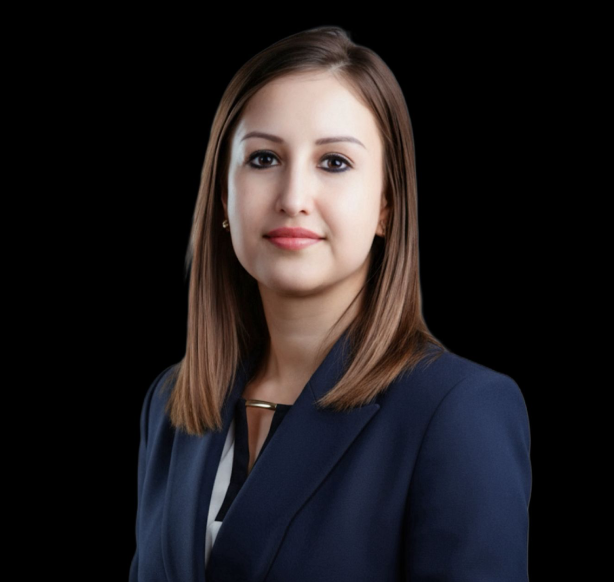
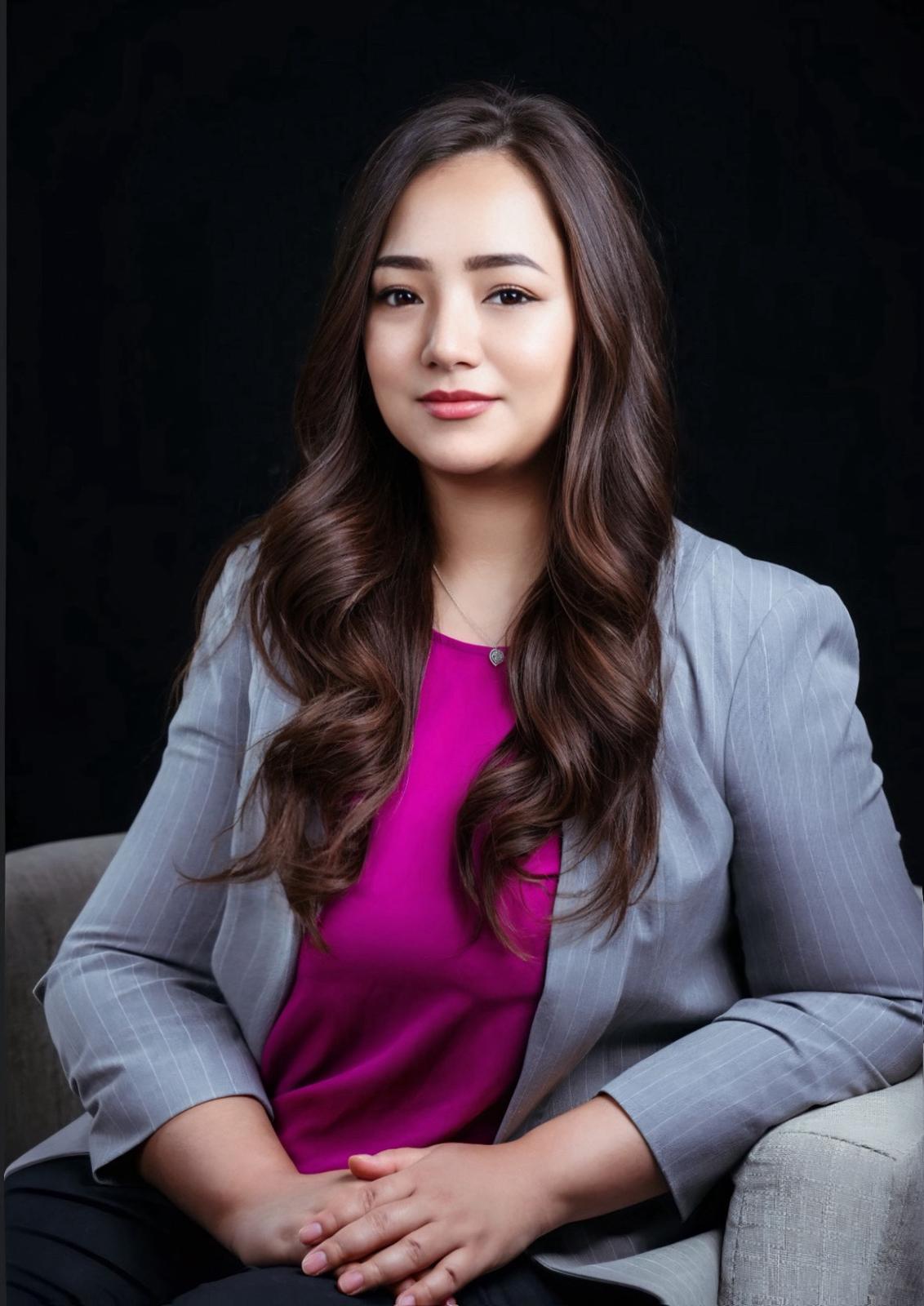
Led by Rosy Thapa (Aged Care Specialist) & Merina Suwal (Clinical Services Specialist), each with 10+ years in aged care and clinical nursing.
- ✓ Registered NDIS provider - approved to Aug 2028 (verify)
- ✓ Registered aged care provider
- ★ 5.0 Google rating - read our reviews