What Disabilities Qualify for the NDIS?
By Care Steps Australia
The NDIS doesn't fund based on diagnosis alone, it funds based on permanent impairment that significantly affects daily life. That said, the NDIS uses reference lists to speed up decisions: List A conditions (like severe autism, cerebral palsy, or permanent blindness) generally qualify without extensive extra evidence, List B conditions need more functional evidence, and List D covers young children with specific permanent conditions.
Key Takeaways
- Eligibility is about functional impact, not diagnosis name, but the NDIS still uses List A, B, and D as reference points to speed up decisions for certain conditions.
- List A conditions generally qualify without extensive extra evidence. List B conditions need more detailed functional evidence.
- List C no longer functions, it related to a defunct Western Australian legacy program.
- Two real 2026 reforms are changing parts of the system: the Thriving Kids program (from October 2026) and the I-CAN v6 assessment tool.
- Not on either list? That doesn't mean you're not eligible, it means your application needs to lean harder on functional evidence.
- Have questions about your own situation? Contact Care Steps Australia and we'll talk it through with you directly.
Table of Contents
- It's About Impact, Not Just Diagnosis
- List A: Conditions That Generally Qualify
- List B: Conditions That Likely Qualify, With More Evidence
- List D: Children Under 7, and What Happened to List C
- What This Usually Means for Support
- What's Changing in 2026
- My Condition Isn't on Either List, Now What?
- For Punchbowl & Sydney South West Families
- Frequently Asked Questions
It's About Impact, Not Just Diagnosis
According to the NDIS's own disability requirements guidance, what matters is that your impairment (intellectual, cognitive, neurological, sensory, or physical) is permanent, substantially reduces your functional capacity, and means you're likely to need support for your lifetime. Two people with the same diagnosis can have very different functional impact, which is exactly why the NDIS looks at daily life effect, not just a diagnosis on paper.
That said, decisions have to be made consistently, which is where List A, B, and D come in: reference points that indicate how much extra evidence a given condition is likely to need. This post covers the actual conditions on those lists. For the full three-part eligibility picture (age, residency, and disability requirements together), see our guide on NDIS eligibility.
List A: Conditions That Generally Qualify
List A conditions are almost always considered permanent and to significantly reduce functional capacity, so they generally meet the disability requirements without needing extensive further evidence. Broadly, this includes:
You'll still need medical evidence confirming diagnosis and severity, but the likelihood of approval is high once a condition is confirmed at these severity levels.
List B: Conditions That Likely Qualify, With More Evidence
List B conditions are likely to cause permanent impairment, but the degree of functional impact varies more between individuals, so eligibility isn't automatic. This includes conditions such as:
- Multiple sclerosis (MS)
- Parkinson's disease
- Motor neurone disease (MND)
- Muscular dystrophy
- Chromosomal abnormalities not specific enough for List A
- Dementia-related conditions such as Alzheimer's or vascular dementia
- Sensorineural hearing loss and certain speech impairments
For List B conditions, expect to provide more detailed reports from treating professionals showing how the condition actually affects your daily life, work, study, and social participation, not just the diagnosis itself.
List D: Children Under 7, and What Happened to List C
List D applies to children under 7 diagnosed with conditions known to result in permanent impairment, including global developmental delay, muscular dystrophies, deafblindness, and certain genetic or neurological conditions. For these, medical evidence of the diagnosis is generally enough for NDIS access through the early intervention pathway, without needing a separate functional assessment.
You may also come across references to "List C." To be precise: it no longer functions. It was originally designed to fast-track participants from a former Western Australian government disability program, which has since been transitioned into the NDIS or other appropriate programs.
What This Usually Means for Support
Knowing which list a condition sits on is only half the picture, what actually changes day to day is the type of support that follows. Conditions involving complex clinical needs, wound care, catheter management, medication administration, or monitoring a chronic condition, typically call for a registered or enrolled nurse rather than a support worker. We've covered this distinction in detail, including a full task-by-task breakdown, in Registered Nurse vs Support Worker: Who Handles Your NDIS Clinical Care?
For a broader look at what NDIS community nursing actually covers day to day, wound care, medication management, catheter and continence care, and more, see 10 Things NDIS Community Nursing Actually Covers.
What's Changing in 2026
Two real reforms are worth knowing about if you're navigating the NDIS right now.
Thriving Kids, confirmed on the NDIS's own announcement page, is a new $4 billion joint Commonwealth-state investment supporting children aged 8 and under with developmental delay and/or autism who have low to moderate support needs. Access begins from 1 October 2026, with full rollout by 1 January 2028. Importantly, children with permanent and significant disability, including higher-support-needs developmental delay or autism, continue to be eligible for the NDIS as usual, Thriving Kids is designed for the lower-needs end of that spectrum, not as a replacement for the NDIS itself.
The I-CAN v6 assessment is a separate reform: a structured, guided conversation between a participant and a trained assessor, covering 12 areas of daily life, intended to replace some of the variability in current functional capacity reports. Timing on this one is genuinely still moving, some guidance points to a mid-2026 start, while more recent commentary suggests new framework planning may not begin until April 2027. We'll keep this section updated as the rollout date firms up, rather than stating a single date with more confidence than currently exists.
My Condition Isn't on Either List, Now What?
Not being on List A, B, or D does not mean you're not eligible. It means your application needs to rely more heavily on functional evidence rather than a recognised diagnosis doing the work for you. In practice, that means:
- Get a detailed report from a treating professional (GP, specialist, occupational therapist, or psychologist) who knows your situation well and can describe exactly how your impairment affects daily tasks, not just the diagnosis name.
- Focus the evidence on functional impact: what you struggle to do independently, what assistance or equipment you need, and how it affects work, study, or social participation.
- If unsure, speak with your Local Area Coordinator before formally applying, they can advise whether the disability requirements or early intervention requirements are the better fit for your situation.
For Punchbowl & Sydney South West Families
Families across Punchbowl, Bankstown, and the wider Canterbury-Bankstown area often ask the same question in different words: will a less common or harder-to-diagnose condition still be taken seriously. The honest answer is that strong, specific functional evidence matters more than which list a condition sits on.
If English isn't your first language, this shouldn't slow down the evidence-gathering process. Free interpreter support is available through TIS National, and Care Steps Australia works with families across a wide range of language and cultural backgrounds, we understand that describing daily functional impact clearly is harder in a second language, and we're glad to help make sure nothing gets lost in that process. See our NDIS eligibility guide for more on interpreter access during the application itself.
About This Guide
This guide was written by Merina Suwal, Director and Clinical Services Specialist at Care Steps Australia, who brings more than 10 years of clinical nursing experience across residential aged care and home care settings. This guide draws on official NDIS eligibility and reform guidance published by the National Disability Insurance Agency. Last updated August 6, 2026.
Get in Touch
Care Steps Australia 48 Lancaster Avenue, Punchbowl, NSW 2196 Phone: (02) 8201 3100 Email: info@carestepsaustralia.com.au
Still unsure where your situation stands? Contact Care Steps Australia or explore the full range of NDIS supports we provide across Punchbowl and Sydney's south west.
Frequently Asked Questions About NDIS Disability Eligibility
No. List A means a condition is likely to meet the disability requirements without extensive extra evidence, but you still need to meet the age and residency requirements, and provide confirming medical evidence.
Not worse, different. List B conditions can be just as serious, but the functional impact varies more from person to person, so more detailed evidence is needed to show how the condition affects you specifically.
No. It related to a former Western Australian government disability program that has since transitioned into the NDIS or other appropriate programs.
No. Thriving Kids supports children aged 8 and under with low to moderate developmental delay or autism needs, starting October 2026. Children with higher support needs continue to be eligible for the NDIS as usual.
Possibly, through the early intervention requirements if getting support now would reduce future needs or improve functional capacity, or through the standard disability requirements with strong functional evidence. Speak with an NDIS partner or Local Area Coordinator about your specific situation.
Either can provide evidence, what matters is that whoever provides it knows your situation well enough to describe how the impairment affects your daily life, not just confirm the diagnosis.
Related service
NDIS support services →Personal care, community nursing, daily living and community participation for NDIS participants.
Request a call back
Tell us a little about the support you need and our team will call you back during business hours. Prefer to talk now? Call 02 8201 3100.
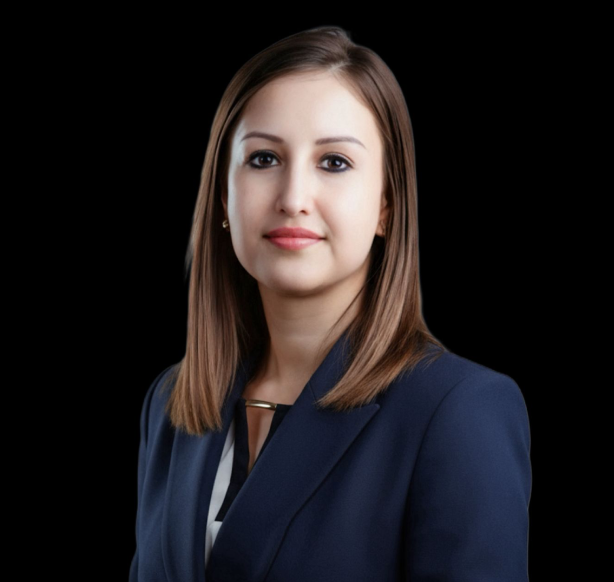
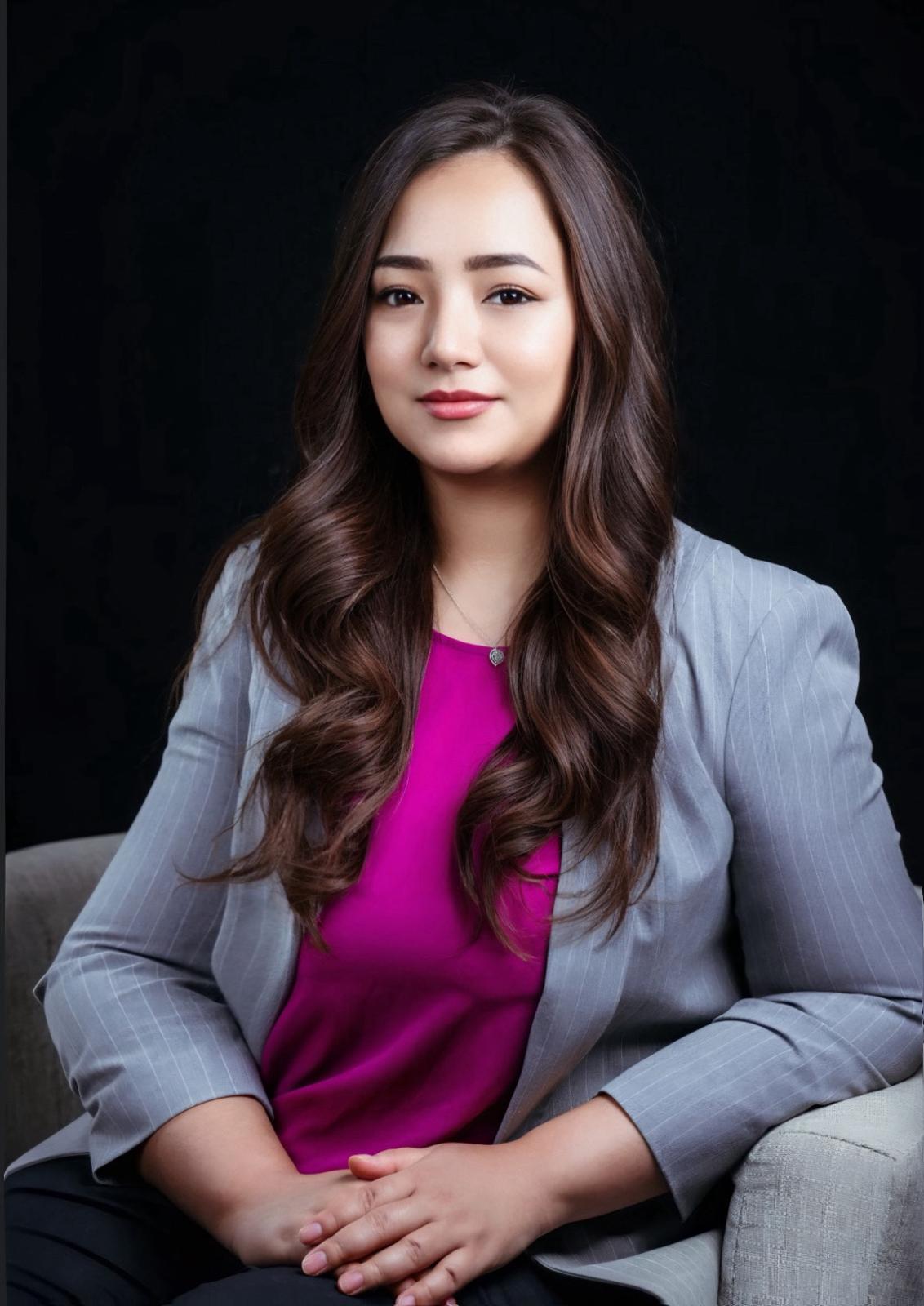
Led by Rosy Thapa (Aged Care Specialist) & Merina Suwal (Clinical Services Specialist), each with 10+ years in aged care and clinical nursing.
- ✓ Registered NDIS provider - approved to Aug 2028 (verify)
- ✓ Registered aged care provider
- ★ 5.0 Google rating - read our reviews